
































Workshop organised in collaboration with the Department of Information Technology, Government of Karnataka
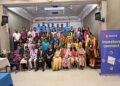
The Digital India BHASHINI Division (DIBD), under the Digital India Corporation (DIC), Ministry of Electronics and Information Technology (MeitY), Government of India, in collaboration with the Department of Information Technology, Government of Karnataka, organised the BHASHINI Rajyam Workshop – Karnataka Chapter in Bengaluru. The workshop explored the role of multilingual AI in strengthening digital governance, enabling accessible public services and supporting the adoption of Indian language technologies across Karnataka.
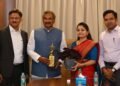
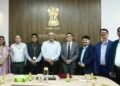
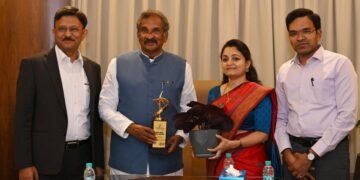
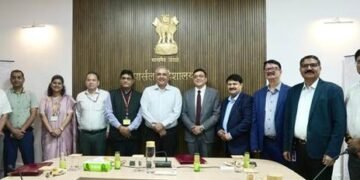
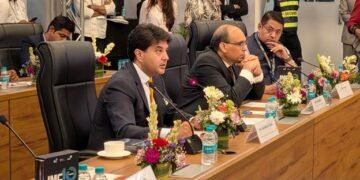
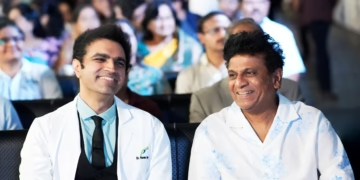
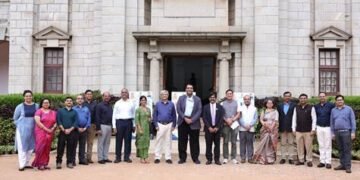
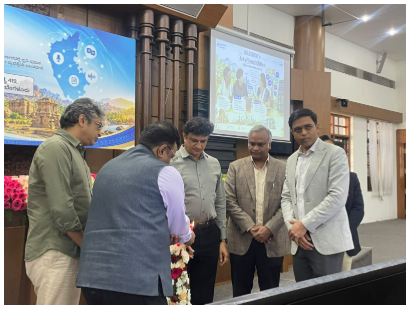
The workshop was attended by the Minister for Home, e-Governance & ITBT, Government of Karnataka Shri Priyank Mallikarjun Kharge, senior government officials, representatives from the language technology ecosystem and other stakeholders. The inaugural session included the ceremonial lighting of the lamp and addresses by senior leadership from the Government of Karnataka and the Digital India BHASHINI Division.

The workshop provided an overview of BHASHINI’s Language-First Digital Public Infrastructure (DPI) and its multilingual AI ecosystem. Participants were introduced to BHASHINI’s architecture, the National Hub for Language Technology (NHLT), its services, APIs and integration capabilities, and the opportunities for integrating multilingual AI into government and citizen-facing applications.
The session on BHASHINI products and use cases showcased applications of multilingual AI across governance and citizen services. The session also highlighted collaborations with central and state ministries and presented case studies demonstrating the use of language technologies across areas such as education, banking, governance and entrepreneurship.
The session on BHASHINI products and use cases showcased applications of multilingual AI across governance and citizen services, with a focus on citizen-centric service delivery and grievance redressal. The session also highlighted collaborations with central and state ministries and presented case studies demonstrating the use of language technologies across areas such as education, banking, governance, legal, healthcare, grievance redressal and entrepreneurship. These use cases demonstrated how multilingual and citizen-centric language technologies can support more accessible and responsive public services, with relevance for Karnataka as well.
The BHASHINI Mitra session focused on strengthening partnerships with governments and states, including the MITRA programme and the data-sharing process. Discussions also covered Samudaye, the State Language Missions initiative, and BhashaDaan, with a live demonstration highlighting citizen and institutional participation in language data contribution and adoption.
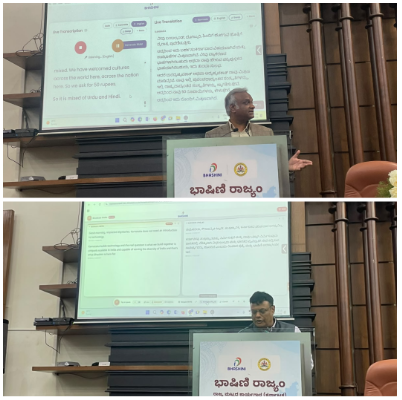

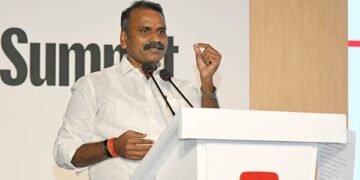
Priyank Mallikarjun Kharge, Minister for Home, e-Governance & ITBT, Government of Karnataka, said, “Karnataka is one state, but it is also many worlds, with its linguistic and cultural diversity changing across regions. Having travelled across the state, I have seen how languages and communities evolve from one region to another. This diversity presents a significant opportunity for technology and artificial intelligence to make digital services more accessible in the language people are most comfortable with. With Karnataka’s strong technology ecosystem and talent in artificial intelligence, there is immense potential to work with BHASHINI to build practical multilingual solutions that can benefit citizens across the state. I have also invited the BHASHINI team to be present at the upcoming Bengaluru Tech Fest to showcase BHASHINI’s capabilities at a global scale.”
Harsh Gupta, I.A.S, Principal Secretary,Praja Seva Department, said, “The adoption of multilingual technology can play an important role in making government services more accessible and inclusive for citizens. Karnataka’s linguistic diversity makes it especially important to develop digital solutions that recognise the way people communicate across different regions and communities. The BHASHINI Rajyam Workshop provides a valuable platform for government departments, technology partners and the wider ecosystem to identify practical use cases and explore opportunities for integrating language technologies into citizen-centric public services.”
Harshal Bhoyar Narayanrao, I.A.S, Director EDCS, said, “Karnataka has consistently embraced technology to strengthen public service delivery and improve citizen experiences. Language is an important part of this journey, and multilingual technology can help make digital services more accessible and inclusive. The BHASHINI Rajyam Workshop provides an opportunity to explore practical use cases, understand the possibilities of language AI and build stronger collaboration between government and the technology ecosystem to develop solutions that are relevant to the people of Karnataka.”
Amitabh Nag, CEO, Digital India BHASHINI Division, said, “Karnataka has shown the world what technology can achieve. The opportunity now is to bring that technological strength together with the richness of India’s linguistic diversity. BHASHINI is being built as a Language DPI where technology, datasets, APIs, research and real-world use cases come together as one ecosystem. Karnataka has an important role to play in this journey. By working together on meaningful use cases, strengthening language data and engaging developers, researchers and language communities, we can build language technologies that are truly Indian, scalable and relevant to the way people speak, communicate and access digital services.”
The workshop also featured a session on BHASHINI services and offerings, covering multilingual translation, transcription, speech-to-speech, video translation, language model APIs and feedback mechanisms. The session highlighted opportunities for developers, researchers and startups to build on the BHASHINI platform, along with hackathons and innovation programmes aimed at encouraging wider participation in language technology.
The BHASHINI Pravakta session focused on strengthening collaboration in NLP and AI through knowledge sharing, research and startup engagement. Discussions covered conferences, workshops and seminars, targeted outreach for language data resources, startup engagement and BHASHINI Utsav, focused on celebrating the culture and important personalities of Karnataka.
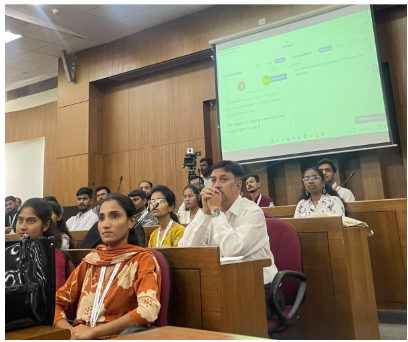

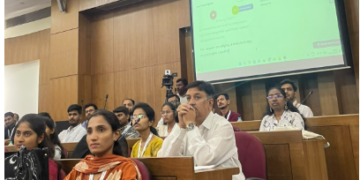
The workshop concluded with an interactive open-mic session on use-case discussions, providing participants an opportunity to identify potential applications of multilingual AI and explore immediate opportunities for adoption through a low-hanging-fruit approach.