

































Indo-German Engineering Summit 2026 Calls for Deeper Engineering Partnerships to Build Global Value
Industry leaders call for India and Germany to combine complementary strengths in engineering, innovation and manufacturing; Bengaluru emerges as a strategic capability hub
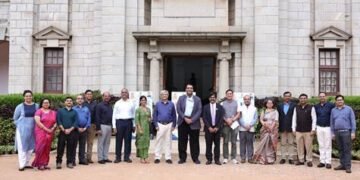
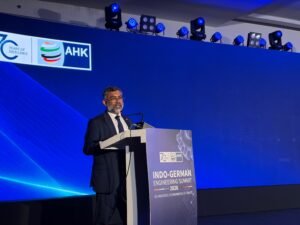
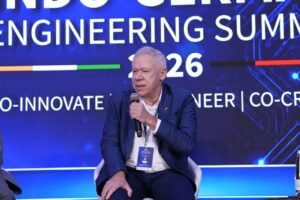
Bengaluru, October 7, 2026: The first edition of the Indo-German Engineering Summit 2026 brought together leading German and Indian business leaders, engineering experts, technology companies, policymakers and industry stakeholders in Bengaluru to explore the next chapter of collaboration across engineering, manufacturing, technology, artificial intelligence, research and innovation.
Organised by the Indo-German Chamber of Commerce (IGCC) and themed “Co-Innovate. Co-Engineer. Co-Create.”, the Summit called for a deeper model of India-Germany partnership — moving beyond investment and traditional delivery models towards joint engineering, product development, innovation, manufacturing and global value creation.
Across the day, discussions highlighted the complementary strengths of India and Germany — Germany’s engineering depth, precision, industrial expertise and structured approach, alongside India’s talent, scale, technology capabilities, adaptability and ability to innovate at speed. Speakers and industry leaders emphasised that the next phase of the relationship will be defined not simply by what each country can offer independently, but by what can be built together for global markets.
A recurring theme through the Summit was the evolution of Indian operations within German companies. The conversations reflected a shift from India being primarily an execution or delivery base towards becoming a strategic engineering, technology and innovation partner, with Indian teams increasingly contributing to product development, problem-solving, manufacturing, customer solutions and global business outcomes.
The Summit also examined the changing role of the German Mittelstand in India, with discussions focusing on building deeper local capabilities, strengthening supplier ecosystems, adapting products and solutions to market needs, and creating long-term value for both German parent companies and their Indian operations.
Jan Noether, Director General, Indo-German Chamber of Commerce, said:
“For the German Mittelstand, India is no longer only a market or a talent destination; it is increasingly becoming a strategic capability partner. The opportunity lies in building deeper engineering, technology and innovation linkages that create value for both the German parent companies and their Indian operations. Bengaluru, with its exceptional engineering talent and technology ecosystem, is uniquely positioned to support this next phase of the relationship.”
The conversations through the day also placed strong emphasis on trust, localisation and resilience. Industry leaders highlighted that successful India-Germany partnerships require consistency, reliability, transparency and long-term commitment. Building local ecosystems, developing strong supplier networks and creating deeper relationships were seen as critical to navigating an increasingly complex global economic and geopolitical environment.
Another important focus was the opportunity to bring together Indian agility and German precision. Discussions explored how India’s ability to solve problems quickly and adapt to changing requirements can complement Germany’s strengths in engineering rigour, process discipline, quality and technical depth — creating stronger products, capabilities and globally competitive businesses.
The Summit also looked at the growing convergence of engineering, technology, AI and manufacturing. Conversations explored how industrial AI, responsible automation, digital technologies and advanced engineering can reshape global operations, while India’s engineering and technology ecosystem can play a larger role in developing and deploying these capabilities.
The role of startups and emerging technology companies also featured prominently, with discussions exploring how established German and Indian companies can work with startups to address industry challenges, develop new solutions, create pilot opportunities and take promising technologies from development to market adoption and scale.
A broader conversation around the future of global engineering models examined how India and Germany can move towards more connected enterprises, with complementary teams across geographies working on shared product roadmaps, engineering programmes and innovation priorities. The discussions pointed to a future where global capability centres evolve into deeply integrated engineering and innovation hubs with shared accountability and two-way knowledge transfer.
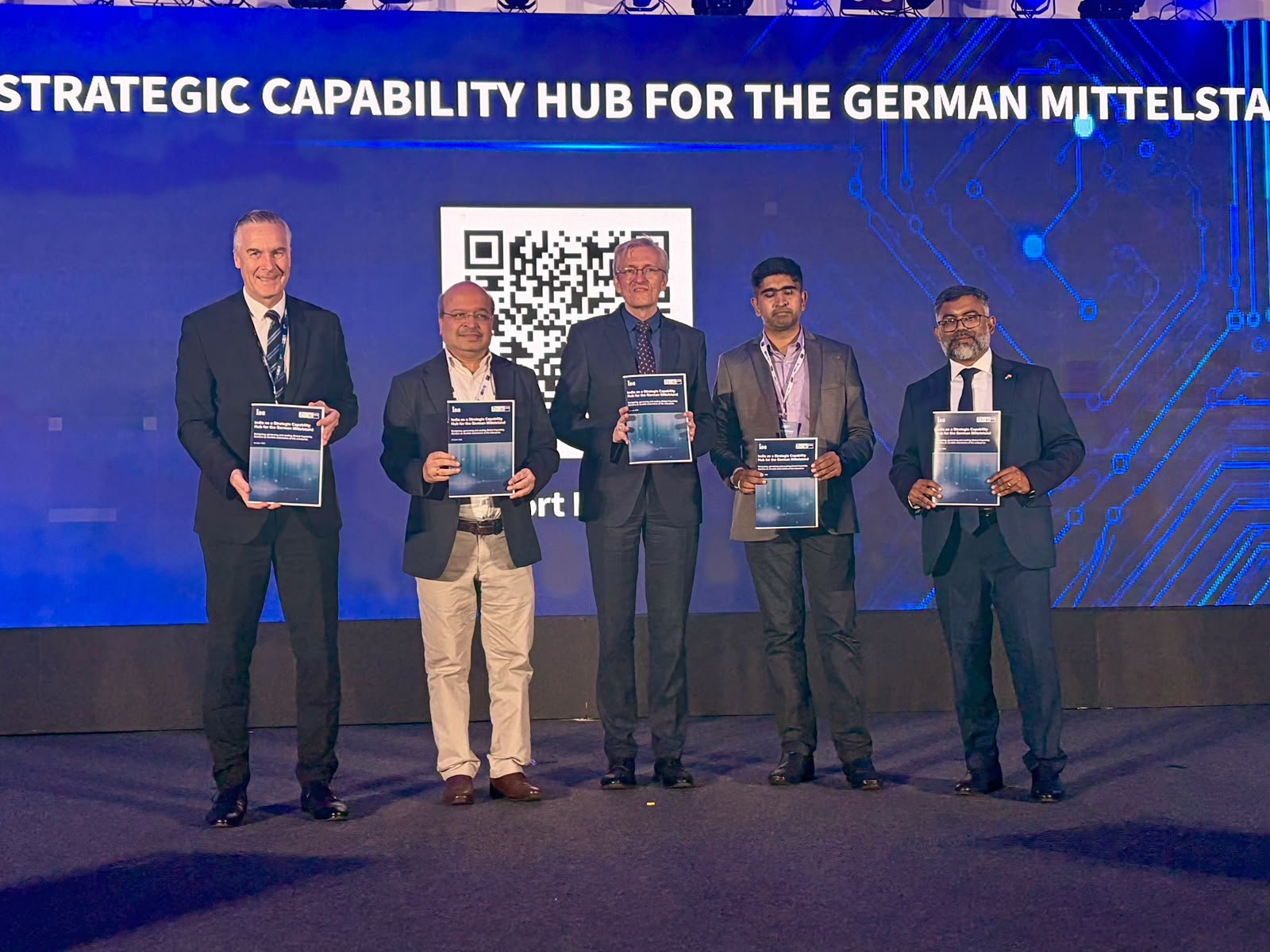
Throughout the Summit, Bengaluru’s position as a strategic capability hub emerged strongly. Its combination of engineering talent, technology companies, global capability centres, universities, startups and industrial expertise provides a strong foundation for the next phase of India-Germany collaboration.
The Summit also reinforced the broader strategic relationship between India and Germany, with the discussions pointing towards a partnership increasingly defined by co-creation rather than conventional collaboration — across engineering, manufacturing, technology, AI, research and innovation.
The day concluded with a clear call to translate the depth of India-Germany engagement into sustained partnerships, joint innovation and measurable global outcomes.
As the relationship enters a new phase, the Indo-German Engineering Summit 2026 underlined a clear opportunity: to move from presence to potential, from collaboration to co-creation, and from building in India for India to engineering and creating together in India for the world.