


























PHOTOS CREDIT-Air India-Sep 05, 2026
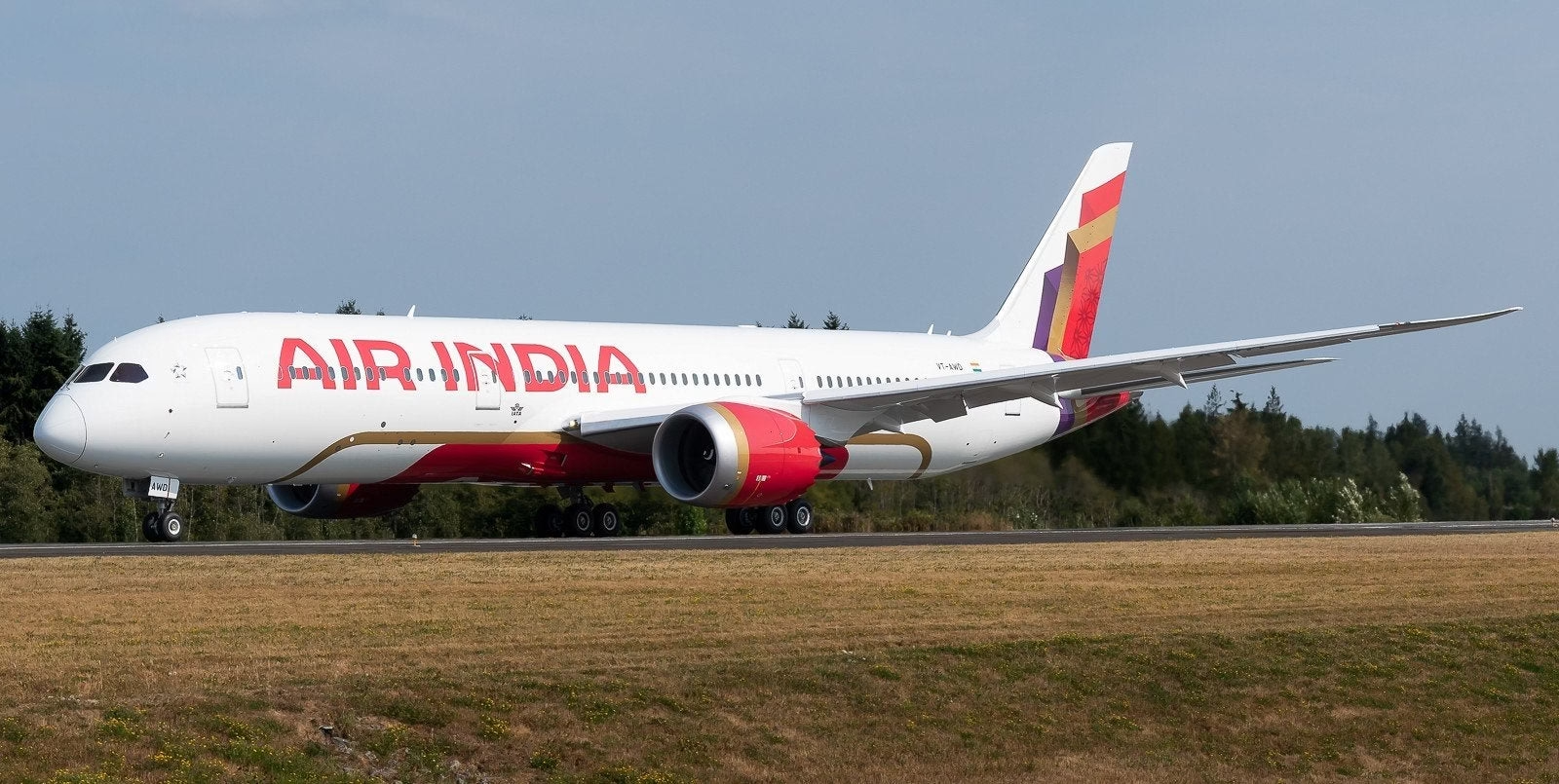
Passengers see a new aircraft arrive. What they don’t see are the years of design decisions, months of testing, and hundreds of inspections that happen before it enters service. Air India Chief Engineer Yuvraj Puri takes us behind the scenes of the delivery and acceptance of Boeing 787-9 Dreamliner VT-AWD.
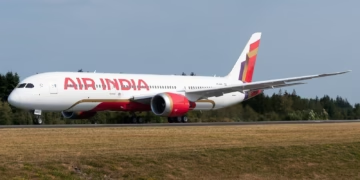
When Air India’s newest Boeing 787-9, VT-AWD, arrived in Delhi, it marked another milestone in the airline’s transformation journey. For passengers, it represents a new generation of flying experience. For the teams that designed, customised, inspected and accepted the aircraft, it represents years of effort aimed at delivering an aircraft that reflects Air India’s ambitions for customer experience, quality and safety.
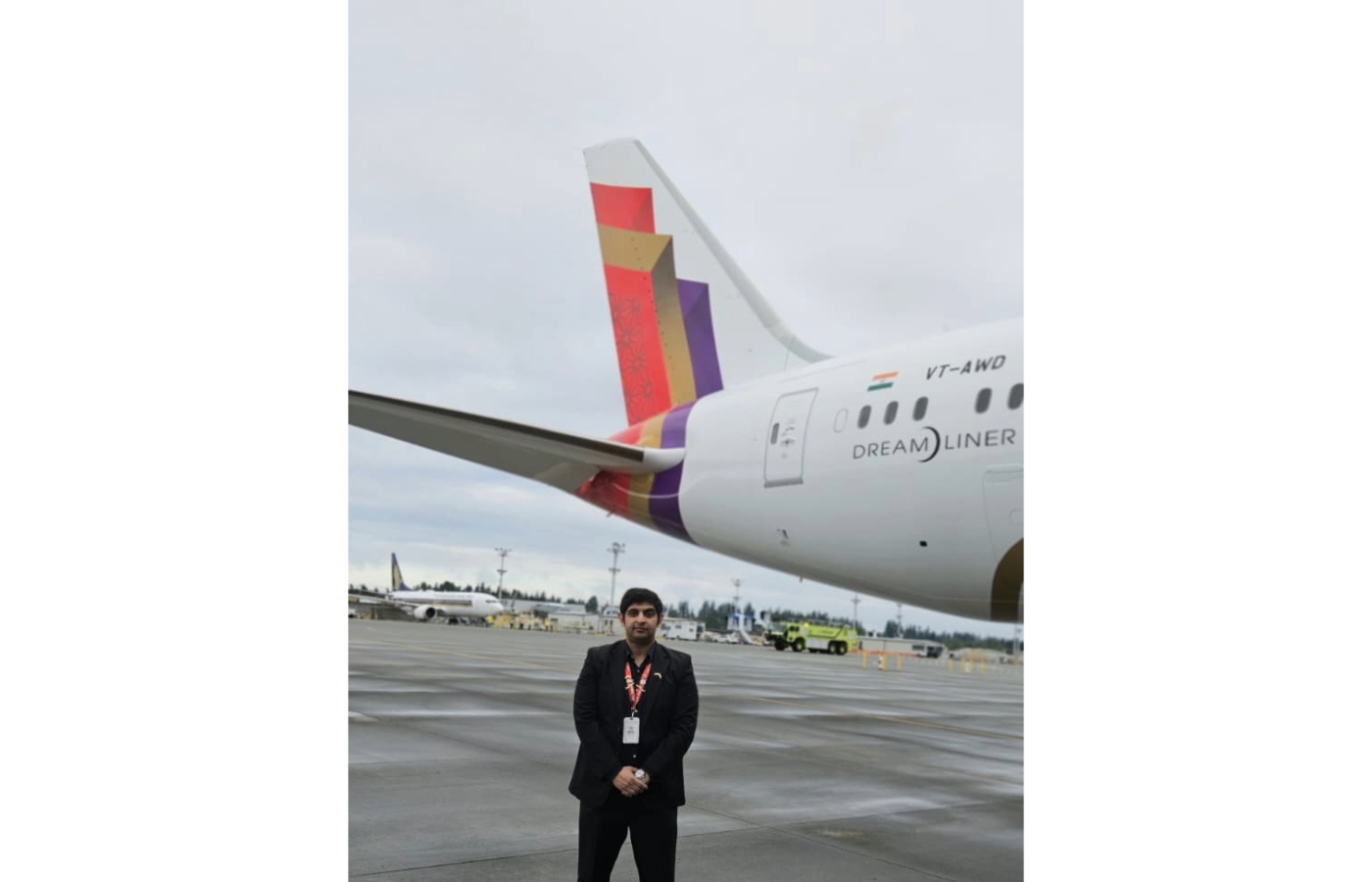
Few people understand that journey better than Chief Engineer Yuvraj Puri, who led Air India’s acceptance of VT-AWD from Boeing in Everett, Washington.
Standing before the aircraft, Puri found himself reflecting on how quickly Air India’s transformation is taking shape.
“What was there on paper is now there in front of us. Those changes are in front of me and very soon our passengers will be experiencing this new product,” he says.
With more than 20 years in aviation and nearly a decade within the Tata aviation ecosystem, Puri has been closely involved in Air India’s fleet renewal journey. Even so, seeing the airline’s fourth line-fit Boeing 787-9 arrive within a matter of months of the previous delivery was a moment that stood out.
“I was really amazed and really happy about the pace at which we are getting aircraft. It’s already four aircraft and it is just half a year,” he says. “This marks a very significant bookmark in Air India’s journey of transformation.”
From an idea to VT-AWD
While delivery may be the most visible milestone, the real work begins much earlier.
As soon as an aircraft order is placed, Air India’s teams begin working closely with Boeing to define exactly what the final product should look like. Engineers, product specialists, customer experience teams and operational experts collaborate on thousands of decisions that shape the aircraft customers will eventually fly on.
“The engagements often include specification definitions, which are not only limited to the interiors of the airplane, but also the systems, avionics, engine and other technical details,” says Puri.
While much of this work happens behind the scenes, its impact is felt throughout the passenger journey.
Every touchpoint is carefully considered, from seating and cabin layouts to inflight entertainment, lighting and onboard technology. The goal is simple: create a product that feels modern, intuitive and comfortable while meeting the highest operational and safety standards.
Among the features that particularly stand out on Air India’s newest aircraft are the Bluetooth-enabled inflight entertainment systems that allow passengers across Economy, Premium Economy and Business Class to connect their own wireless headphones directly to the seatback screens. The aircraft’s signature electronically dimmable windows can also be controlled through the inflight entertainment system, giving customers another layer of convenience.
These may seem like small details, but they reflect the extensive customisation that goes into shaping the onboard experience.
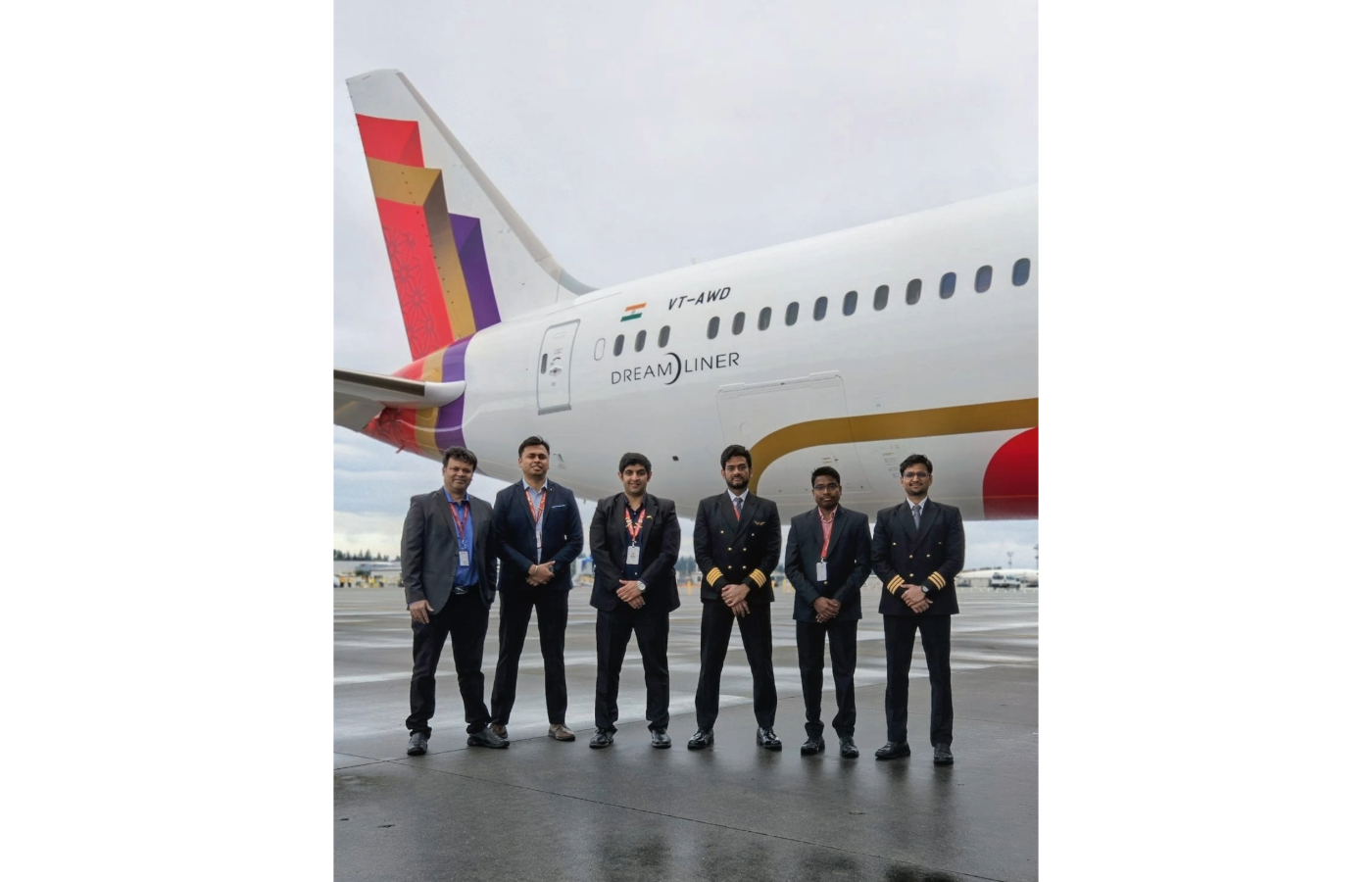
Inspecting every detail before acceptance
By the time Air India representatives arrive in Everett, Boeing has already built, tested and validated the aircraft. Multiple test flights have been conducted and regulatory evaluations have been completed.
Yet for Air India, this is where one of the most critical phases begins.
“Once Boeing invites Air India representatives, we start inspecting the airplane from all aspects,” says Puri. “This includes technical aspects, airworthiness aspects, flight control checks and of course, customer touch points.”
The delivery team includes specialists from engineering, flight operations, customer experience and product functions. Together, they systematically inspect the aircraft to ensure it has been delivered exactly as specified and performs exactly as intended.
Business class seats are tested through their full range of functionality. Inflight entertainment systems are checked. Cabin lighting, controls and electronics are verified. Lavatories are inspected. Every passenger-facing feature is reviewed. At the same time, engineers assess critical technical systems, flight controls and airworthiness requirements.
According to Puri, the process involves approximately 400 to 500 inspection points before Air India is prepared to accept the aircraft.
The rigorous testing behind a new aircraft
Ground inspections are only one part of the aircraft acceptance process. The next stage takes place in the air, where Air India teams evaluate how the aircraft and its systems perform under real operating conditions.
Flight testing allows engineers to observe the effects of cabin pressurisation, temperature changes and flight loads that can only be experienced in the air. These test flights form a critical part of the airline’s comprehensive acceptance programme, helping verify that every system performs as intended before the aircraft enters commercial service.
“While everything may look okay on ground, things may change when the airplane starts flying,” says Puri.
Alongside Air India’s own inspections and flight testing, every aircraft undergoes a series of rigorous checks before it can carry its first passengers. The process begins with certification and testing by Boeing and is conducted under the oversight of the US Federal Aviation Administration (FAA). Before entering service in India, the aircraft must also satisfy the requirements of India’s Directorate General of Civil Aviation (DGCA).
For Puri, each stage represents an additional layer of assurance for future passengers.
“Each level comes with its own challenges, questions and findings on the airplane,” he explains. “Adequate numbers of people and regulators have done those checks and only then is this airplane offered for commercial service.”
Air India’s own delivery teams further scrutinise hundreds of inspection points covering technical systems, airworthiness requirements and customer touchpoints.
Underlying every check is a commitment to operational excellence.
“Safety comes the number one thing for us. After safety is quality, airworthiness and then customer experience,” says Puri. “Anything and everything is paramount.”
Passengers may never see these inspections, test flights and regulatory reviews, but they are among the most important parts of an aircraft’s journey. Together, they ensure that when a new Boeing 787-9 Dreamliner enters service, it does so having met the highest standards of safety, quality and operational readiness.
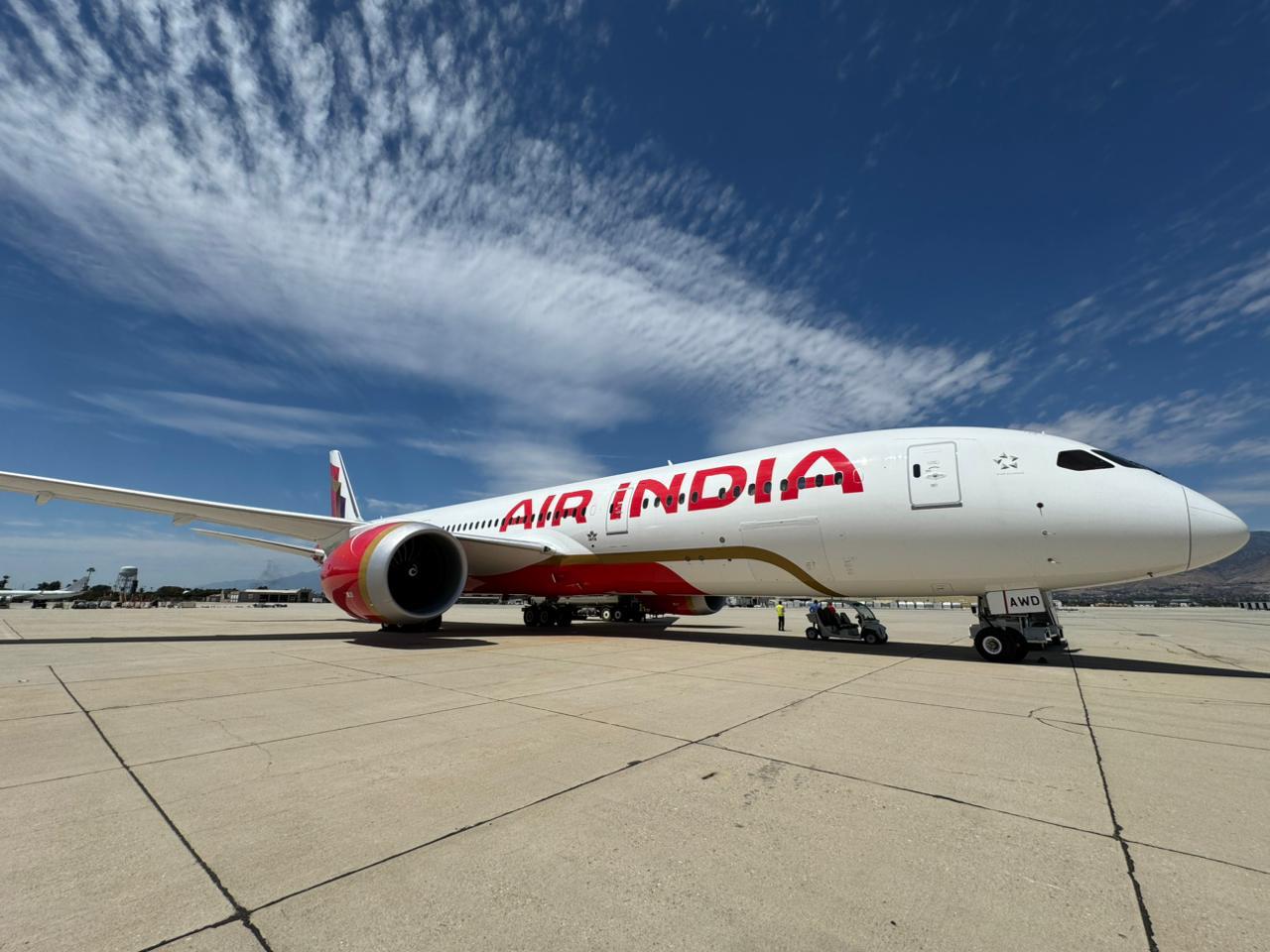
Bringing a Dreamliner home
After weeks of inspections, testing and reviews, the final ferry flight to India becomes a deeply personal moment for the delivery team.
Puri compares it to taking delivery of a brand-new car after months of anticipation.
“You feel very possessive about your plane,” he says.
By that stage, the aircraft is no longer just a machine. The delivery team has spent weeks inspecting it and has often been involved throughout various stages of the manufacturing and delivery journey.
Puri likens it to driving a new car home for the first time.
“You don’t want even a nick or a scratch. You drive carefully, avoid potholes, watch the traffic and make sure nothing happens to it. The feeling is exactly the same. You simply scale it up to an airplane,” he says.
That sense of ownership extends beyond the technical aspects of the aircraft. Team members become protective of every detail, conscious that they are responsible for delivering the aircraft to Air India in pristine condition.
“You are very careful when you are walking through the plane. Do not dirty it. Do not damage it in any way,” Puri says.
But beyond the attention to detail lies a profound sense of pride. The delivery team understands the effort, collaboration and responsibility that brought the aircraft to this point.
Then comes the moment when the aircraft finally leaves Everett carrying Air India colours. For Puri and his colleagues, that moment represents more than a successful delivery.
“We have added and given our contribution to the Air India fleet,” he says. “We feel a sense of achievement that from here on, this aircraft will help Air India achieve greater heights. We have been able to contribute to the best of our ability.”
Bringing the aircraft home marks both a proud milestone for the teams involved and the beginning of the Dreamliner’s journey carrying Air India customers around the world.
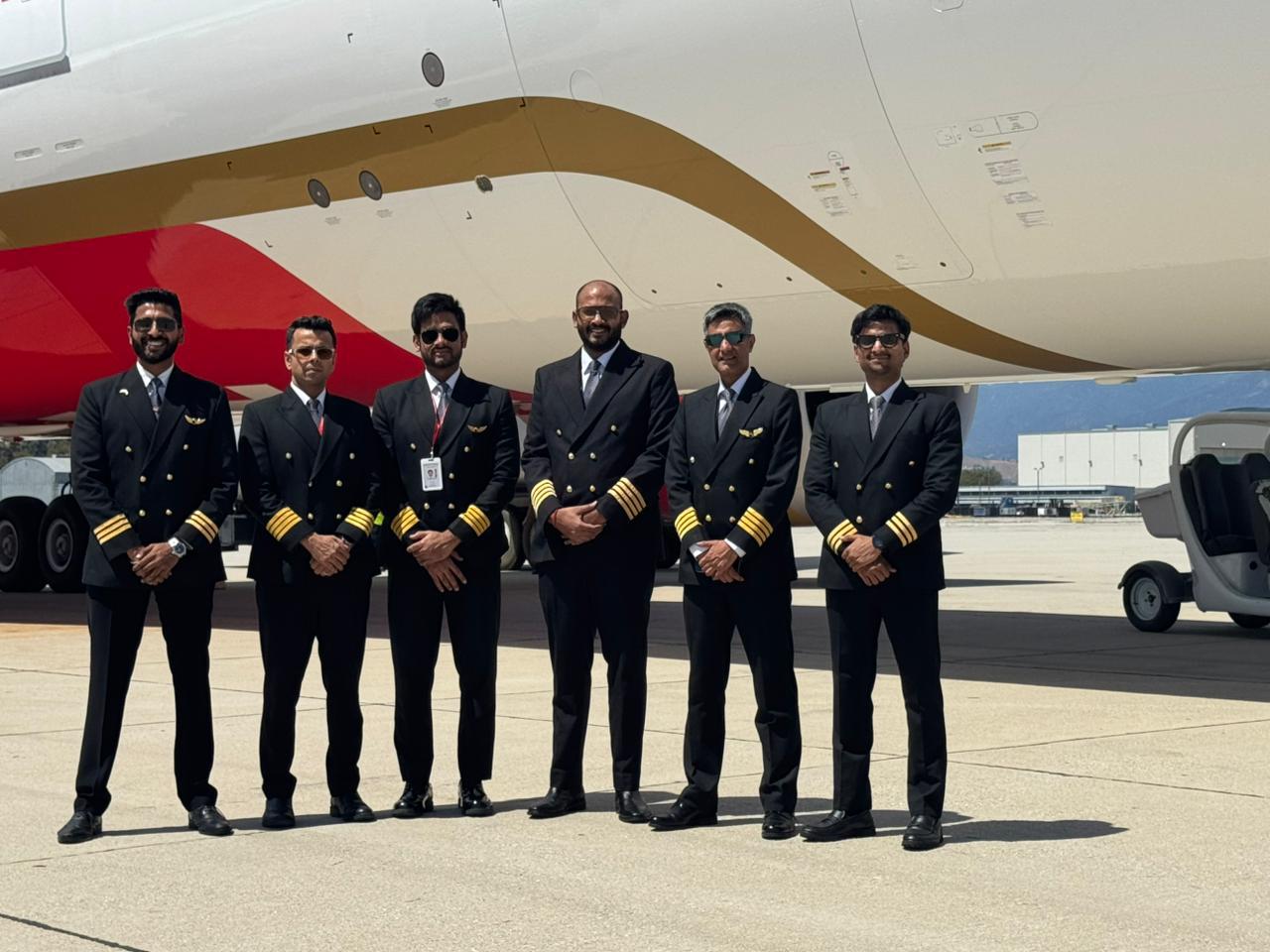
Years of work take flight
Soon, VT-AWD will become a familiar sight in Air India’s growing fleet. Passengers will admire its modern cabin, enjoy its technology and experience the comfort that the Boeing 787-9 is known for. Few will think about the months of preparation that preceded its arrival.
Yet that is the hallmark of a successful aircraft delivery. Behind every journey are the engineers, pilots, product specialists, regulators and manufacturer teams who worked together to ensure the aircraft meets Air India’s standards for safety, quality and customer experience.
VT-AWD may be the newest addition to the fleet, but its story began long before it touched down in Delhi. For the teams that brought it home, its arrival marks both a proud milestone and the beginning of a new chapter in Air India’s transformation journey.