

































Bengaluru, July 23, 2026: 
Urinary obstruction is often considered a condition affecting older men with enlarged prostates. However, urologists are increasingly seeing younger adults experiencing similar symptoms due to Primary Bladder Neck Obstruction (PBNO)—a lesser-known condition that can affect bladder function, quality of life and, in some cases, fertility if left untreated.
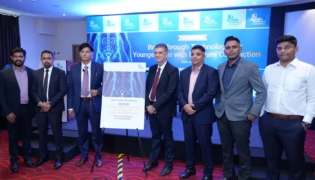
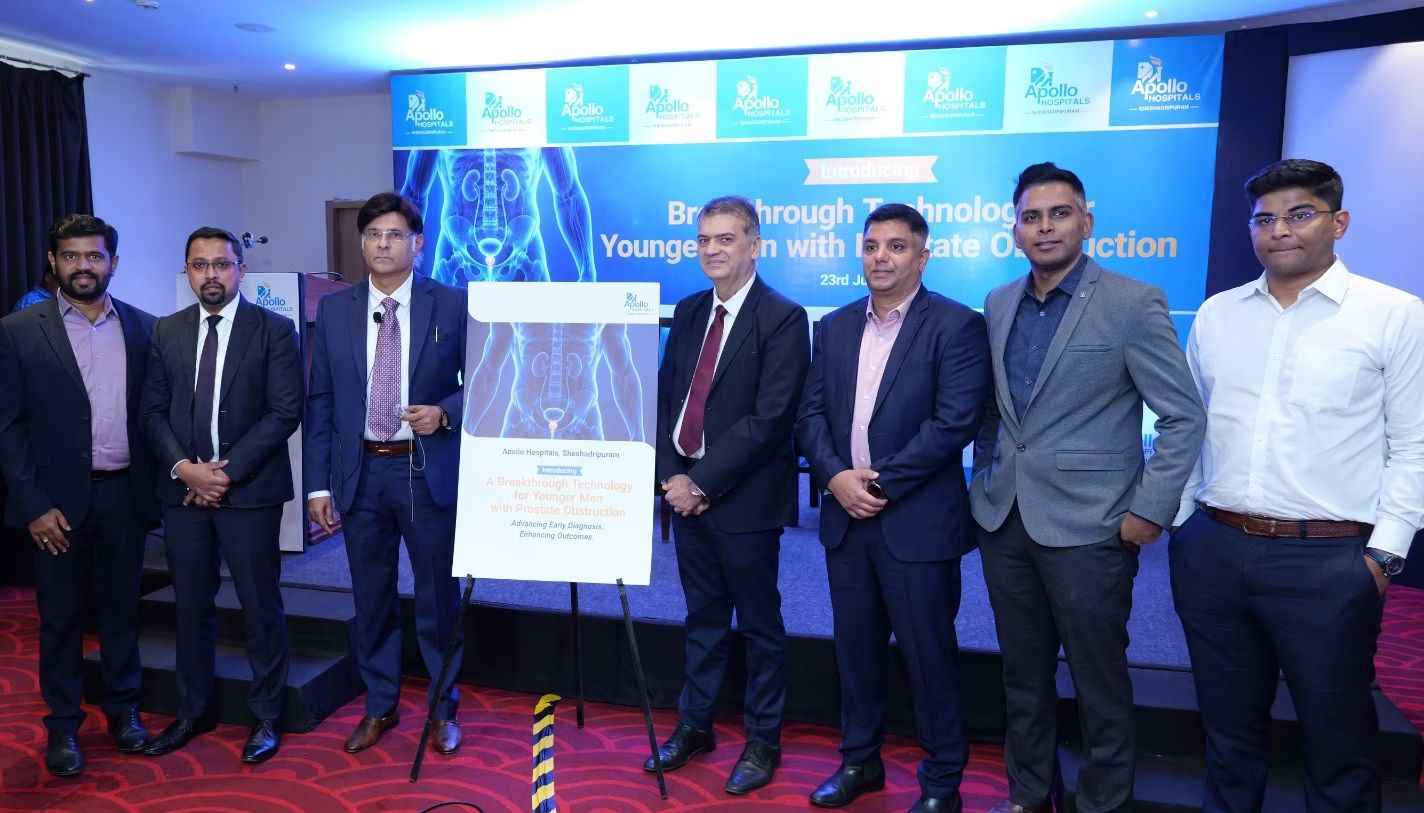
To address this unmet clinical need, Apollo Hospitals, Sheshadripuram has introduced iTIND (Temporary Implantable Nitinol Device), a minimally invasive treatment option for carefully selected patients with PBNO and selected cases of benign prostatic obstruction. The hospital is the first in Bengaluru and Karnataka to offer the technology and the first centre in the state to complete 10 procedures.
Unlike conventional surgical approaches that involve removal of prostate tissue, iTIND temporarily remodels the bladder neck and prostatic urethra without cutting or burning tissue. The device is inserted through an endoscopic procedure under mild sedation and removed after five to seven days. In appropriately selected patients, the approach aims to improve urinary flow while preserving ejaculation and fertility.
Nearly 5–10% of men between 18 and 41 years may experience bladder outlet obstruction caused by PBNO or related conditions. Symptoms such as weak urinary stream, frequent urination and straining are often overlooked because they are not commonly associated with younger men. Delayed diagnosis can eventually lead to bladder dysfunction, recurrent urinary infections and, in severe cases, kidney damage.
“Many young men live with urinary symptoms for years because both patients and, at times, even healthcare providers associate these problems with ageing. Early diagnosis is critical, as prolonged obstruction can affect bladder function over time. For carefully selected patients, iTIND provides a minimally invasive treatment option that relieves obstruction while preserving sexual function and fertility,” said Dr. T. Manohar, Chief Urologist, Uro-Oncologist & Transplant Surgeon, Apollo Hospitals, Sheshadripuram.
The introduction of iTIND further expands Apollo’s range of minimally invasive treatment options for benign prostate conditions. The hospital has performed over 2,500 prostate procedures and offers therapies including HoLEP, MoLEP, Mini-MoLEP, Rezūm, UroLift and robotic-assisted surgery, enabling clinicians to tailor treatment according to a patient’s age, anatomy, symptoms and reproductive goals.
Mr. Uday Davda, Vice President, Apollo Hospitals, Sheshadripuram, Bengaluru, said, “Young adults experiencing persistent urinary symptoms are often diagnosed late because prostate-related conditions are generally associated with older age. Introducing iTIND reflects our commitment to bringing clinically validated, minimally invasive treatment options to patients who can benefit from them. By expanding access to advanced therapies, we aim to enable earlier intervention, preserve quality of life and offer personalised care based on each patient’s clinical needs.”
Doctors emphasised that persistent urinary symptoms should not be ignored, irrespective of age. Simple diagnostic tests such as uroflowmetry and specialist evaluation can help identify bladder outlet obstruction early, allowing timely intervention before permanent bladder damage occurs.