






























PHOTOS CREDIT-BOSCH
Greater safety in traffic for passenger cars and commercial vehicles
- Dr. Markus Heyn, member of the board of management at Robert Bosch GmbH: “The road hazard service anticipates critical situations, making driving safer and easier.”
- Bosch is already successfully offering the road hazard service in Europe and the U.S. Customers include manufacturers of both passenger cars and commercial vehicles.
- The cloud-based service has been part of the BMW Group fleet of passenger cars since March 2026.
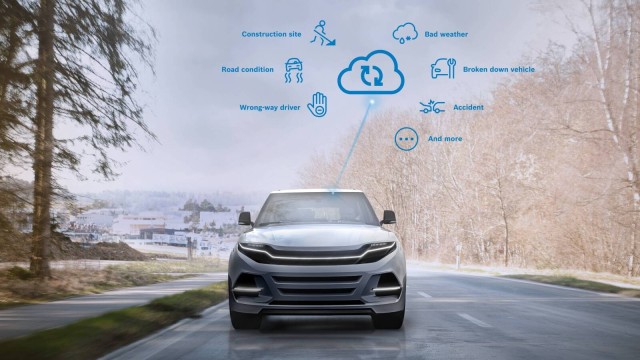
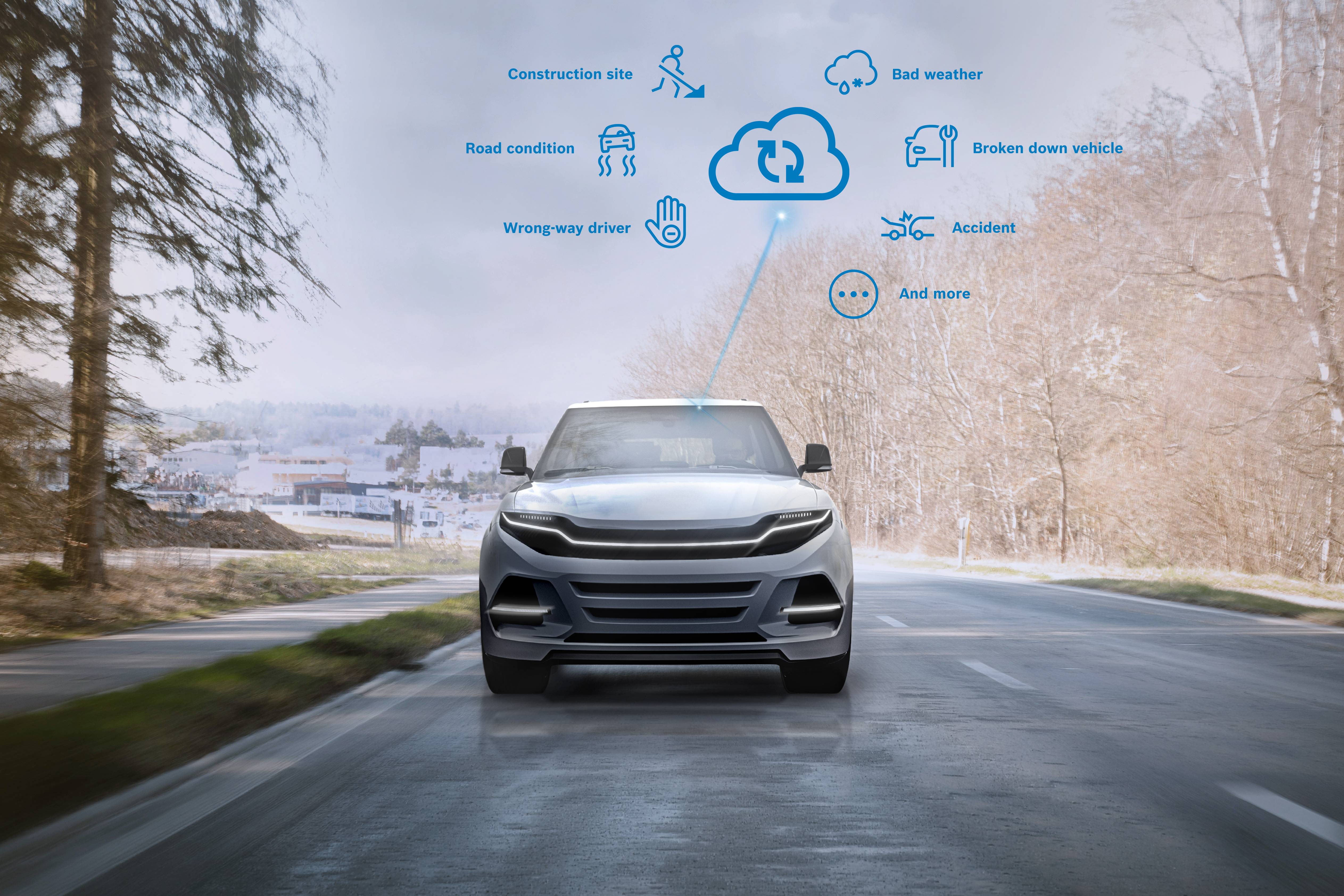
Stuttgart/Munich – The journey is its own reward. Bosch’s road hazard service brings safety to new heights so that drivers can enjoy an even more carefree and rewarding journey. The cloud-based service uses continuously updated data from numerous sources to quickly warn drivers of potential hazards on their route, such as sudden fog or black ice, and is already being used in millions of different cars and commercial vehicles around the world. Also, initial vehicles from the BMW Group are using the Bosch service. Bosch plans to roll out the service gradually in additional BMW vehicles over the next few years.
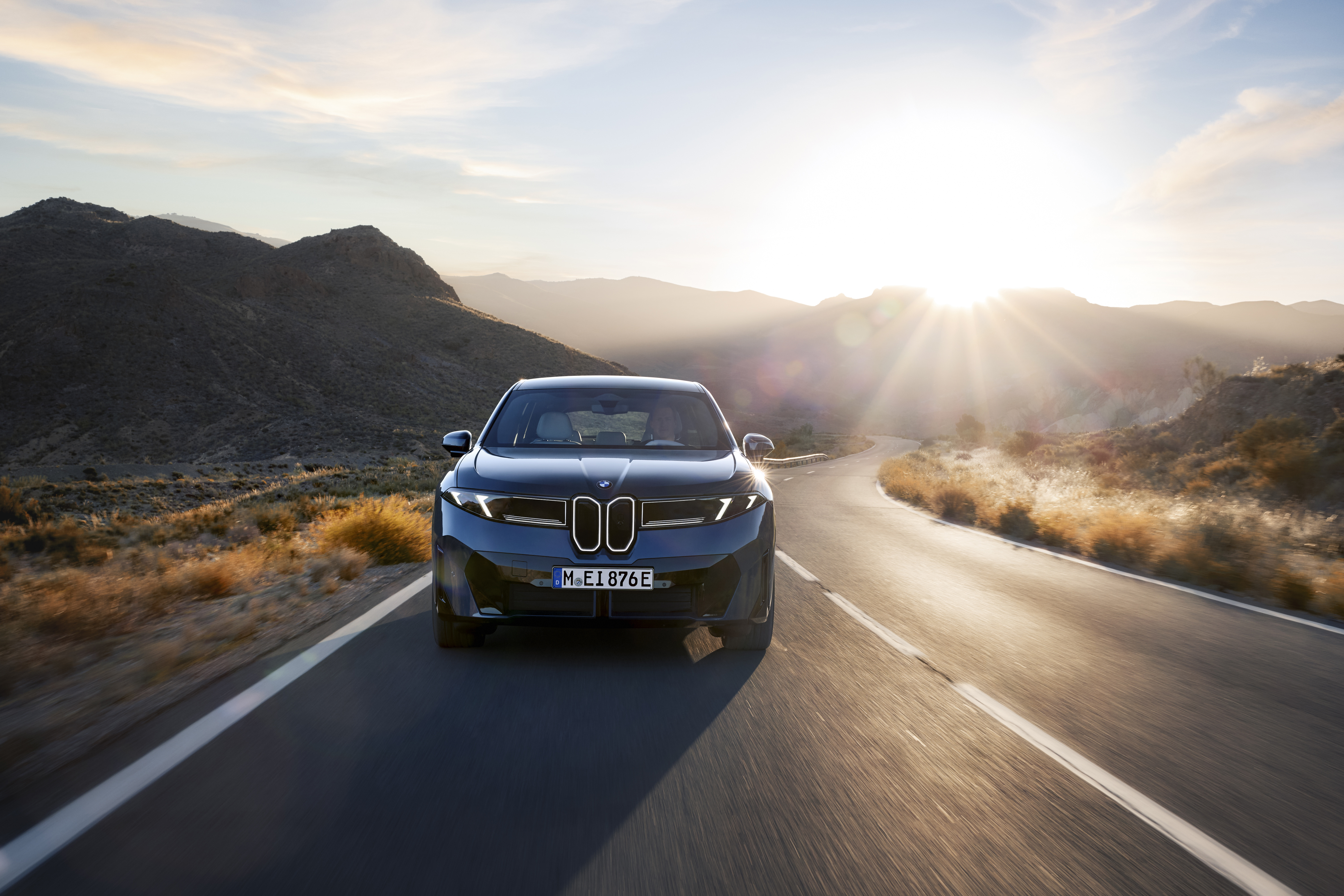
BMW iX3 (© BMW AG)
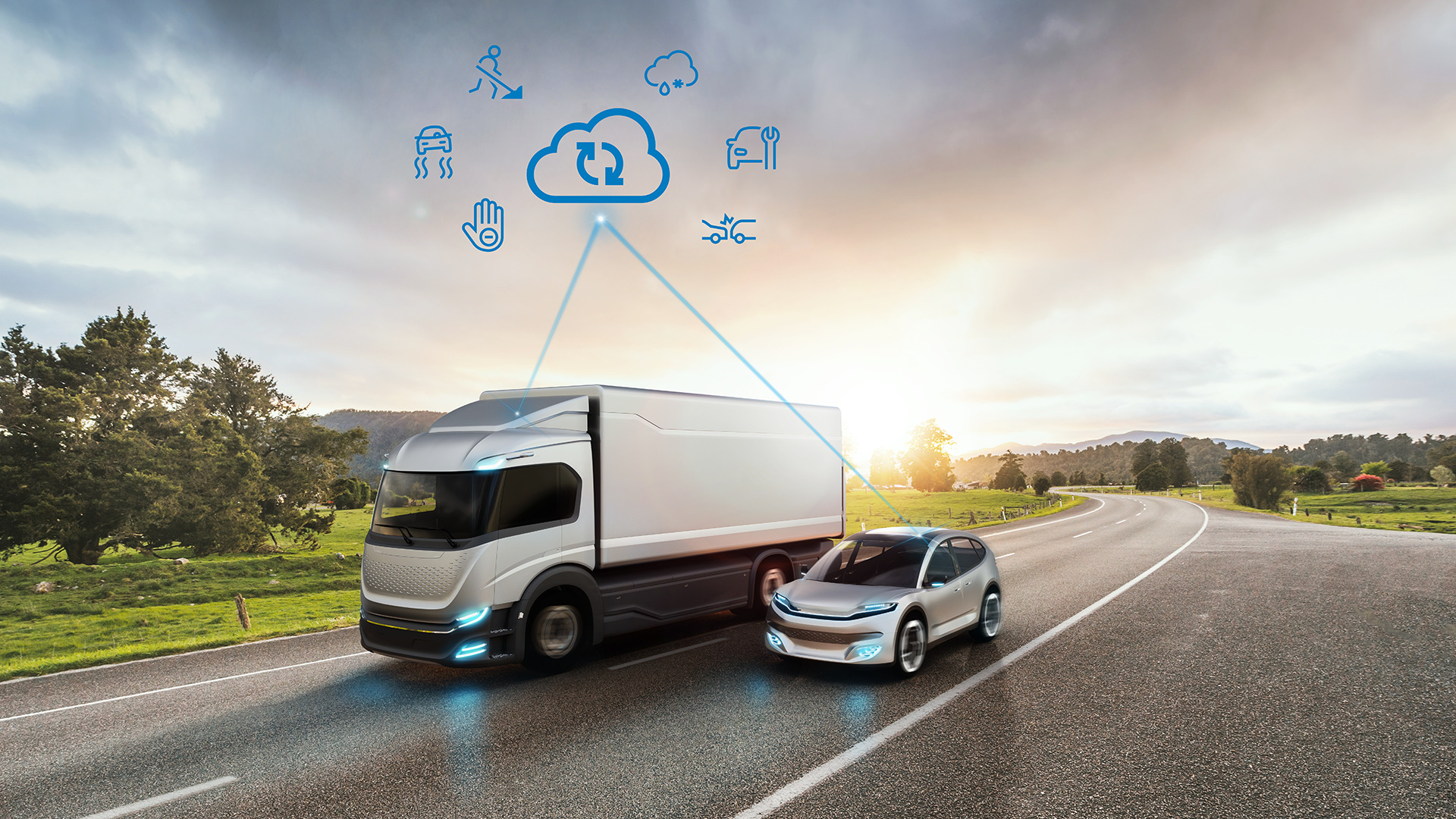
Bosch Road Hazard Service
“ The road hazard service from Bosch increases road safety while also increasing the ease of driving. Our cloud-based service is a tangible win for our customers because it predicts and informs drivers, whether they are in a car or a truck, of hazards on the route and helps them avoid critical situations, ”
says Dr. Markus Heyn, member of the board of management at Bosch and chairman of the Mobility business sector.
Bosch service already proving itself in millions of vehicles
The road hazard service from Bosch was released in June 2024 and went live with a European vehicle manufacturer. Six months later, a large commercial vehicle manufacturer also integrated the service, which Bosch has been gradually rolling out since then. The cloud-based software solution is now available in millions of vehicles in Europe and the U.S. The service has also been part of the BMW Group’s vehicle fleets since March 2026. Some of the models using the road hazard service include the BMW iX1, iX2, iX3, and X3, as well as several Mini models. One unique selling point of the Bosch technology is that vehicle manufacturers can set the sensitivity of the system – meaning the point at which the system triggers a warning – to their exact specifications and in line with their own market philosophy.
This includes notices about accidents and abandoned vehicles, for instance in construction zones. The service can also warn drivers of heavy rain that could lead to hydroplaning, heavy snow, and strong wind. In addition, Bosch is the only provider to offer a cloud-based wrong-way driver warning, which is, among others, used by a European high-volume manufacturer. Vehicle manufacturers can choose whether to purchase the wrong-way driver warning as part of the road hazard service package or as an individual feature. This technology provides drivers with an early warning and gives them crucial seconds to respond, often long before the wrong-way driver is even visible.
The wrong-way driver warning is shown either directly on the display in the cockpit or on a smartphone, if the driver does not yet own a vehicle with an integrated wrong-way driver warning. The feature can be used in a variety of smartphone apps from Bosch partners. Simply download one of the partner apps and activate the feature to use this Bosch service. In total, these apps have already been downloaded more than 100 million times.
Highly reliable thanks to smart data mix
The high degree of reliability of the road hazard service is based on a smart fusion concept. Bosch combines anonymized real-time data from a worldwide fleet of millions of connected vehicles with information from third-party providers such as weather services and road operators. These sources together provide a highly precise, current overview of the road conditions, which forms the basis for reliable warnings. Driver assistance systems such as adaptive cruise control (ACC) and emergency braking assist can also use the predictive warnings to respond even more safely and precisely.
In practice, an algorithm continuously analyzes and combines the incoming vehicle data, such as control interventions by the electronic stability program (DSC) and the activity of the windshield wipers. If the system determines, for example, that many vehicles in one region are using the windshield wipers on the highest setting and weather data is reporting heavy rain, the system concludes that there is a risk of hydroplaning. Affected drivers then receive an early warning and can adjust their speed in time. The quality of the predictions is continuously validated by Bosch’s own test fleet, which is equipped with special sensors. In addition, external sources such as webcams along the roads verify the emitted warnings.
A new Bosch offering for even greater safety and ease on every drive: the connected speed limit system always knows the current speed limit and shows it to the driver directly in the vehicle. Thanks to smart connectivity, the service even recognizes dynamic limits, such as those in construction zones, on wet roads, or depending on the time of day.